Sep 27, 2026 / By Lux Carbon / in Carbon Fiber Guides
A front lip, side skirt and diffuser can each look good in isolation yet clash when installed together. The usual causes are not simply “different carbon brands”: weave size, weave angle, resin tint, surface texture, clear-coat gloss and light exposure all influence perceived color. The practical solution is to make a material specification before placing three separate orders.
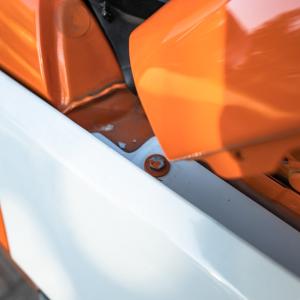
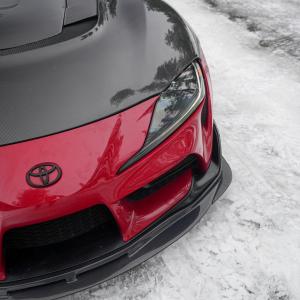
Start with the actual parts: browse relevant carbon parts. Photos below illustrate the topic; they do not prove the fitment or construction of any particular seller item.

Choose the component that matches the exact vehicle and installation conditions, then verify underside geometry, hardware and finish using real product photographs. Do not infer structural strength, aerodynamic performance or fitment from a carbon-look surface. The checks below show what evidence to request before paying and what to inspect before irreversible installation.
List the visible areas that sit near each other: mirror caps beside window trim, lip beside side skirts, diffuser beside rear spats, and spoiler above the trunk. Adjacent components make a mismatch easier to notice than pieces separated by a painted panel. Mark the desired weave or forged pattern and finish for each area.
Woven twill and chopped-fiber forged textures are different aesthetic systems. Mixing them intentionally can work, but it should be planned rather than discovered after unpacking. The material process is not established solely by its visual pattern; request a construction description from the seller.
A 2x2 twill makes diagonal lines; plain weave produces a more regular checker pattern. Different fabric weights and tow widths can make the same nominal weave appear larger or smaller. Close-up sales photos taken at different distances are not reliable comparison images.
Request daylight photographs with a common scale reference and the parts oriented as they would sit on the car. Ask whether left and right pieces are mirrored and whether the seller controls weave orientation at exposed edges.
A satin-coated panel may look charcoal beside a deep-gloss panel even when the fabric underneath matches. Resin tint, coating thickness and lighting temperature can make one part look brown or blue. Photograph samples together outdoors and in shaded daylight, with the camera exposure locked where possible.
A dark studio image or heavy photo filter can hide orange peel, pinholes and weave distortion. For a costly multi-piece kit, request one wide shot of the actual production parts together and close-ups of corners and edges.
If suppliers provide material swatches, compare them against the actual body color and trim. When swatches are unavailable, keep one approved part as the reference and request side-by-side images before buying the next. Record whether the sample is wet laid, infused, prepreg or a decorative carbon skin.
Natural-fiber pattern irregularity and manufacturing tolerances mean mathematical perfection is unrealistic. Set a practical acceptance standard based on visible distance, adjacent panels and agreed seller photos, not a promise that two unrelated batches will be identical.
The finish should be considered after fitment, attachment and thermal requirements. A well-matched diffuser that touches the exhaust is still an unsuitable product. A wing with a glossy pattern but undocumented mounts remains a separate engineering question.
Use the body-kit fitment guide to check cameras and bumper variants before freezing the finish choice. Avoid grinding laminate purely to align a decorative weave at a corner.
Before installation, photograph every part under the same neutral light. After fitting, take front three-quarter, side and rear views at a consistent camera height. The reflection lines across the car will show whether gloss level and weave direction feel balanced.
Retain order details and part labels. If a replacement piece is required later, the original finish specification is far more useful than saying “black carbon.”
| Check | Evidence to keep |
|---|---|
| Vehicle | Production year, version, market and current bumper or body specification |
| Part | Exact variant, dimensions, backside photos and supplied hardware |
| Material | Construction description, finish and intended exterior use |
| Installation | Manufacturer method, dry-fit photos and service clearance |
| After-sale | Shipping inspection record, current seller terms and return procedure |
Carbon Fiber Body Kits · Front Lips & Splitters · Rear Diffusers.
No. Fiber scale, orientation, resin and clear coat can differ.
Yes as an intentional design choice; confirm the overall look on the whole car.
Resin and coating tint or aging can shift the appearance; evaluate under consistent lighting.
Ask the supplier what finish and orientation the actual pair uses; there is no universal cosmetic rule.
It cannot reliably correct underlying finish, weave or resin-color differences.
Unedited daylight images, same-angle side-by-side shots, backside and edge details.
Use actual part and vehicle evidence to make the purchase decision. Confirm the full contents and installation method with the seller, preserve the original components when feasible, and stop work if the fitment or mounting is not as specified. The linked product categories show the currently listed choices; compatibility must be established for the exact item, not inferred from this editorial guide.
Reader-question context: owner discussion 1. These discussions identify recurring questions; they are not technical installation authority.
Oct 03, 2026 by Lux Carbon
Oct 03, 2026 by Lux Carbon
Cookie preferences