Oct 03, 2026 / By Lux Carbon / in Carbon Fiber Guides
A vented carbon fiber hood can remove hot air from the engine bay and change the visual character of a car, but street owners quickly run into a practical question: what happens when it rains? The answer depends on where the vents discharge water, what sits directly underneath them and whether the hood was designed with a rain-management system.
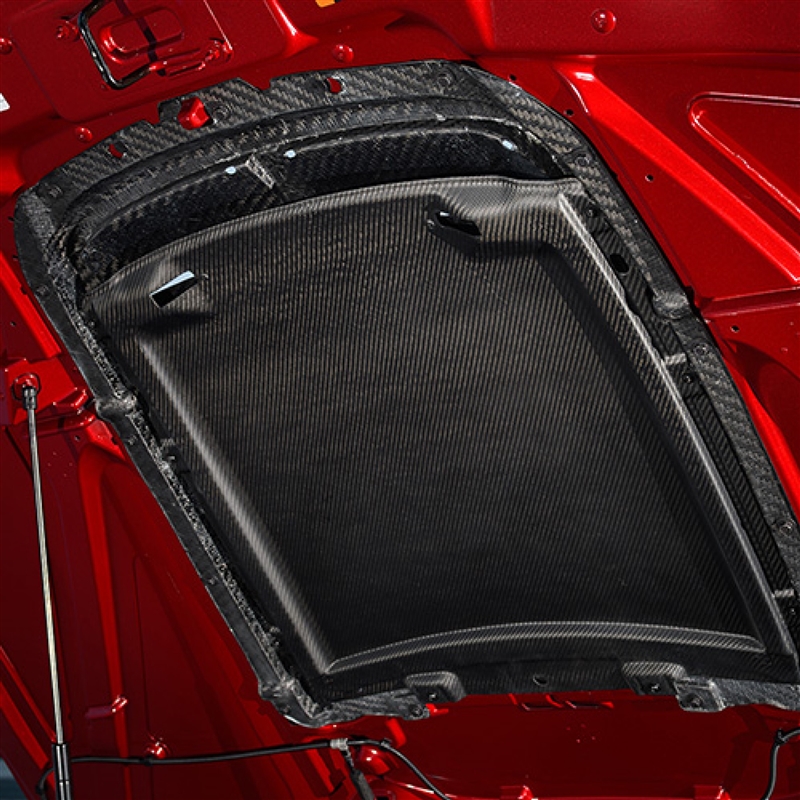
Do not evaluate a vented hood only from the top. Open the hood and draw an imaginary vertical line from every vent to the engine bay. A small amount of water on a robust metal component may be harmless, while the same stream landing on an exposed electrical connector, fuse enclosure, open intake or modified wiring deserves attention.
A well-designed street hood may use a removable rain tray, gutter or channel that catches water and directs it toward a safer area. The tray should not trap water against the carbon panel, block drains, or sit so close to hot components that it deforms. If the tray is removable for track use, make sure its mounting points remain secure after repeated installation.
Covering every vent from below can reduce the extraction effect that motivated the hood upgrade. The useful goal is controlled drainage, not simply sealing the vent. Check whether the tray leaves an air path around its edges and whether the hood manufacturer provides a street/rain configuration.
This is especially important on modified turbo cars. The article on carbon fiber and exhaust heat explains why airflow, temperature and resin limits need to be considered together rather than treating all engine-bay carbon as equally heat resistant.
Factory engine bays already encounter water from road spray and washing, but a vent can create a more direct path. The right question is not “can any water enter?” but “where does this particular hood send it?”
Verify latch engagement, hinge alignment, nozzle clearance and vent position with the hood fully installed. If panel gaps need excessive force to close, consult the carbon panel fitment troubleshooting guide. If the manufacturer specifies secondary retention, review the hood-pin guide before drilling.
For component selection, browse Carbon Fiber Hoods, Bonnets & Engine Covers. Product photos should show the underside structure, not only the top-side weave.
No. The concern is where water goes after passing through the vent and whether the hood, trays and engine-bay layout manage that path appropriately.
Avoid directing a high-pressure stream through open vents at close range. Follow the hood manufacturer’s care instructions and protect sensitive aftermarket electronics if necessary.
It is possible, but the tray must be securely mounted, heat tolerant and positioned so it does not rub the carbon or interfere with airflow and service access.
Look for standing water, wet electrical connections, blocked drains and any water marks that reveal an unexpected flow path. Fix the drainage route rather than repeatedly drying the same problem area.
Oct 03, 2026 by Lux Carbon
Oct 03, 2026 by Lux Carbon
Cookie preferences