Sep 27, 2026 / By Lux Carbon / in Carbon Fiber Guides
Two carbon mirror caps can age at different speeds even when they were installed together. An amber cast, cloudy reflection or flaking clear coat may originate in different layers. Reddit discussions often jump directly to sanding or a new coating, but the repair depends on whether the defect is only in the surface finish, has entered the resin or includes actual laminate damage.
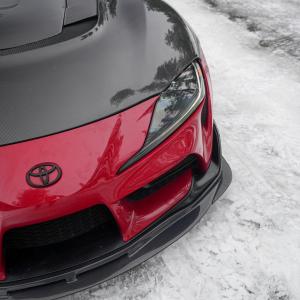
Start with the actual parts: browse relevant carbon parts. Photos below illustrate the topic; they do not prove the fitment or construction of any particular seller item.
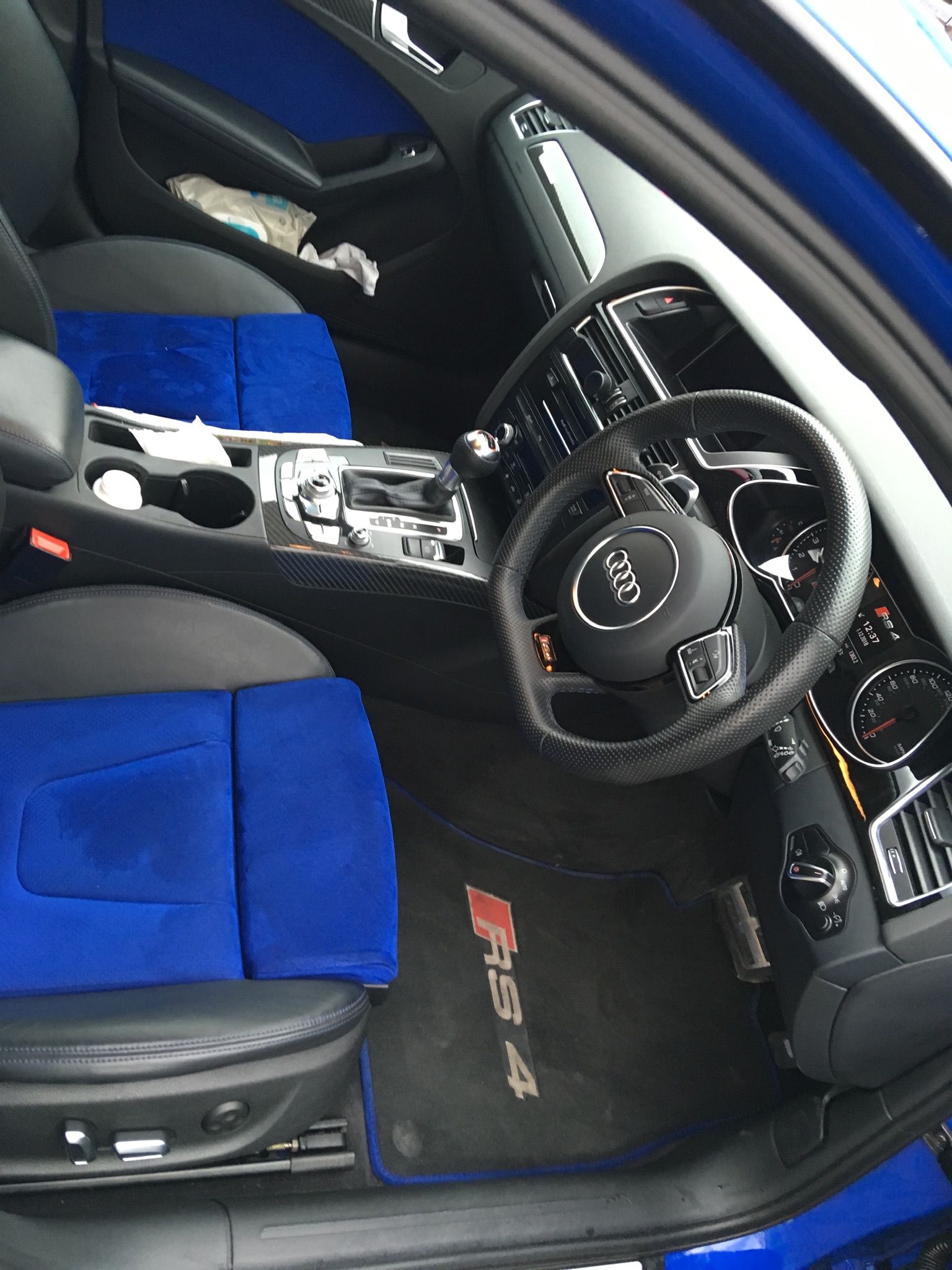
Choose the component that matches the exact vehicle and installation conditions, then verify underside geometry, hardware and finish using real product photographs. Do not infer structural strength, aerodynamic performance or fitment from a carbon-look surface. The checks below show what evidence to request before paying and what to inspect before irreversible installation.
View the part in indirect natural light next to an unaffected section. Photograph dry and after a simple wash, without polishing first. A uniform warm tint can involve aged clear coat or resin; small milky patches can reflect moisture, coating failure or voids. A crack with visible fiber displacement or a soft area requires composite assessment rather than cosmetic treatment.
Do not decide the layer from one phone photograph. A detailer or composite repair specialist can inspect coating thickness, prior repairs, fracture and adhesion. A yellow varnish and yellowed matrix may look similar until evaluated by someone familiar with that particular layup.
Carbon filaments are not the same material as the surrounding polymer matrix. Exterior parts typically rely on an automotive protective finish to resist sunlight and weather. UV, heat cycling, moisture, contamination and coating quality all influence aging. A component near a hot exhaust or engine bay has a different exposure profile from a roof or mirror cap.
Ask sellers for information about the clear coat or surface system and whether the product is intended for exterior use. Claims that any single ceramic coating guarantees immunity to yellowing are too strong. Protection should be chosen for the specific surface and its environment.
First remove dirt using a paint-safe process suitable for the finish; contaminants can imitate cloudiness. Inspect at several viewing angles, then photograph the area with a ruler for scale. Record how long the defect has been present and whether it is spreading. Compare nearby edges and mounting points where water can enter.
A skilled detailer may test a small inconspicuous area of sound clear coat with a minimally aggressive method. Do not wet-sand into carbon fibers to chase color. Once fibers or laminate are exposed, aggressive cosmetic correction can reduce strength and make a uniform finish impossible.
Light swirls in intact glossy clear coat may respond to approved polishing. Matte and satin finishes require a different protocol; polishing them locally can produce a glossy spot. Deep amber coloration beneath an intact clear coat does not automatically disappear with a compound.
Flaking lacquer, an open crack, resin void or a delaminated edge calls for specialist repair evaluation. A fresh clear coat cannot restore structural laminate integrity. For a safety-critical wing or mounted exterior component, assess whether replacement is appropriate.
Quality paint-protection film may help shield vulnerable surfaces from stone chips and, depending on product, UV exposure. It cannot repair pre-existing delamination, stop all weathering or guarantee that a poorly made resin system will remain colorless. Confirm the film is approved for the part’s temperature and finish, especially near exhausts.
Ceramic coatings can ease washing and add surface protection, but they are not a substitute for sound clear coat. Park out of strong sun when possible and maintain the finish according to the manufacturer. Inspect edges regularly so early lifting is not ignored.
Send the seller order details, installation date, product variant, daylight images, close-ups of edges and a record of cleaning products. Avoid removing the finish before discussing warranty. State whether the defect is haze, amber tone, clear-coat flaking, impact fracture or suspected laminate separation.
For a repair shop, ask whether the finish can be blended invisibly, how they will avoid cutting fibers and what coating specification they intend to use. A candid cosmetic prognosis is more useful than a promise to make any aged carbon “as new.”
| Check | Evidence to keep |
|---|---|
| Vehicle | Production year, version, market and current bumper or body specification |
| Part | Exact variant, dimensions, backside photos and supplied hardware |
| Material | Construction description, finish and intended exterior use |
| Installation | Manufacturer method, dry-fit photos and service clearance |
| After-sale | Shipping inspection record, current seller terms and return procedure |
Mirror Covers · Spoilers & Wings.
Different sunlight, heat, finish thickness or production variation can cause asymmetry; inspect the layer before deciding.
No. It is a protective finish, not a repair for yellowed resin or failing clear coat.
Do not grind exposed fibers as a cosmetic fix; obtain composite repair advice.
No. Film performance varies, and underlying finish quality remains important.
No. It may involve the topcoat or other defects; in-person examination is needed.
Do not treat possible structural damage as a DIY paint task. Seek a qualified inspection.
Use actual part and vehicle evidence to make the purchase decision. Confirm the full contents and installation method with the seller, preserve the original components when feasible, and stop work if the fitment or mounting is not as specified. The linked product categories show the currently listed choices; compatibility must be established for the exact item, not inferred from this editorial guide.
Reader-question context: owner discussion 1 · owner discussion 2 · owner discussion 3. These discussions identify recurring questions; they are not technical installation authority.
Oct 03, 2026 by Lux Carbon
Oct 03, 2026 by Lux Carbon
Cookie preferences